By Dr. Lisa Smith, PT, DPT
Feeling dizzy, lightheaded, or unsteady on your feet can be unsettling and frustrating. For some, these symptoms stem from a problem in the vestibular system—the part of the inner ear and brain that helps control balance and eye movements. When this system isn’t working properly, it can lead to dizziness, vertigo, motion sensitivity, imbalance, and difficulty with daily activities.
The good news? Specialized care exists. Vestibular physical therapy is an evidence-based treatment that helps retrain your brain and body to reduce dizziness, improve balance, and restore confidence in movement.
This blog will walk you through what vestibular therapy is, who it can help, what to expect, and the many ways it can improve your quality of life.
What Is Vestibular Therapy?
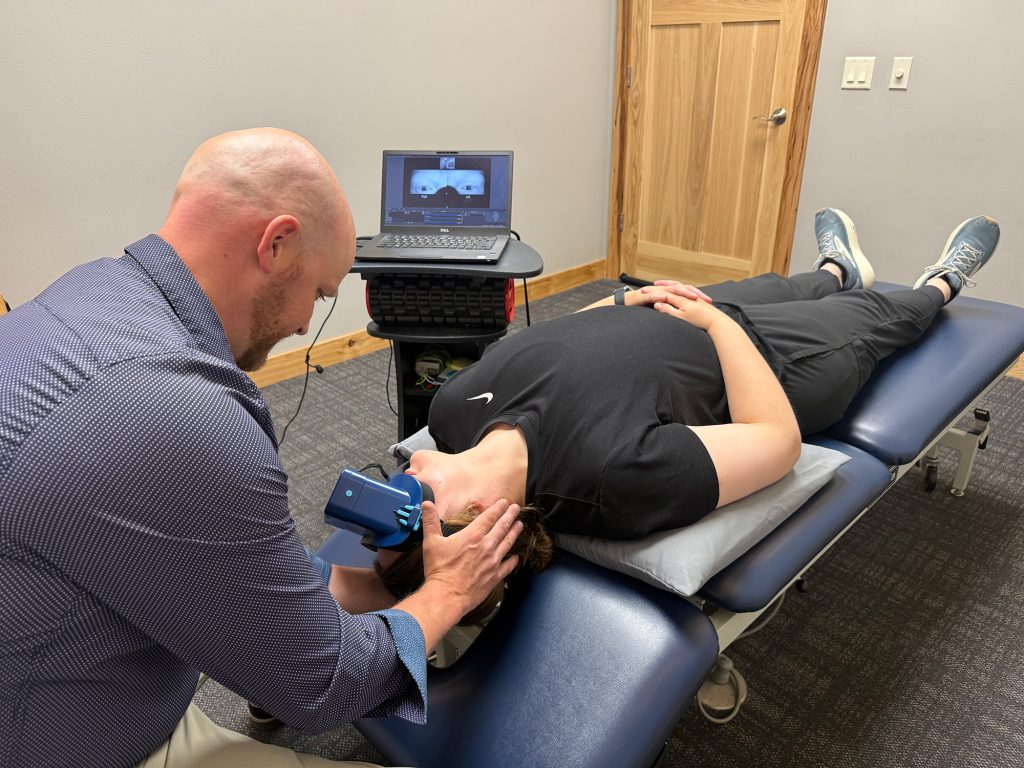
Vestibular therapy is a specialized type of physical therapy that focuses on treating dizziness, vertigo, and balance problems caused by inner ear or neurological conditions. A physical therapist trained in vestibular rehabilitation uses specific exercises and maneuvers to:
- Reduce dizziness and vertigo
- Improve balance and coordination
- Stabilize vision during movement
- Increase confidence in daily activities
Instead of just masking symptoms, vestibular therapy works by helping the brain adapt and compensate for inner ear problems.
How the Vestibular System Affects Balance
Your vestibular system, located in the inner ear, detects head movement and sends signals to the brain about where your body is in space. It works together with your eyes, muscles, and joints to keep you steady and your vision clear.
When the vestibular system is disrupted—by aging, injury, illness, or other causes—you may experience:
- Vertigo (spinning sensation)
- General dizziness or lightheadedness
- Unsteadiness when walking or standing
- Difficulty focusing vision while moving
- Nausea or motion sensitivity
- Increased risk of falls
Even a minor disruption can make daily life more difficult, which is why treatment is so important.
Conditions Treated by Vestibular Physical Therapy
Vestibular rehabilitation is proven to help with a wide range of conditions, including:
- Benign paroxysmal positional vertigo (BPPV): Brief, intense episodes of spinning dizziness triggered by head movement.
- Vestibular neuritis or labyrinthitis: Inner ear infections that cause sudden, severe vertigo and imbalance.
- Ménière’s disease: A condition with recurring dizziness, ringing in the ears, and hearing changes.
- Concussion or traumatic brain injury: Balance and dizziness issues are common after head injuries.
- Chronic dizziness or persistent postural-perceptual dizziness (PPPD).
- Age-related balance problems: Dizziness and falls can become more common as we age.
- Motion sensitivity or visual vertigo: Dizziness triggered by busy environments like grocery stores or scrolling screens.
Even if you don’t have a clear diagnosis, vestibular therapy can often reduce dizziness and improve function.
What to Expect During Vestibular Therapy
When you begin vestibular therapy, your physical therapist will perform a comprehensive evaluation. This may include:
- Reviewing your medical history and symptoms
- Assessing your eye movements and head position
- Testing balance, walking, and coordination
From there, a customized treatment plan is created. Depending on your needs, treatment may include:
- Canalith repositioning maneuvers (like the Epley maneuver) for BPPV
- Gaze stabilization exercises to help your eyes stay focused when moving your head
- Balance retraining exercises to reduce fall risk and improve stability
- Habituation exercises that gently expose you to movements or environments that trigger dizziness
- Strengthening and conditioning to improve overall mobility and endurance
Some people feel relief in just a few visits, while others need several weeks of progressive exercises for long-term improvement.
Key Benefits of Vestibular Physical Therapy
1. Relief From Dizziness and Vertigo
The primary benefit of vestibular therapy is a significant reduction in dizziness and vertigo. By retraining your vestibular system, your brain learns to adapt, which decreases symptoms over time.
2. Better Balance and Fewer Falls
Unsteadiness can make everyday activities feel unsafe. Vestibular rehabilitation strengthens the body’s balance system, lowering your risk of falls and injuries.
3. Improved Confidence and Independence
Dizziness often leads people to avoid leaving home or doing things they enjoy. Vestibular therapy restores confidence so you can drive, shop, travel, and socialize without fear.
4. Faster Recovery From Concussion or Inner Ear Disorders
If your dizziness is related to a concussion or inner ear infection, vestibular therapy helps accelerate recovery and shortens downtime.
5. Better Quality of Life
Reducing dizziness and imbalance not only improves physical function but also mental well-being. Many patients report less anxiety, better sleep, and greater control over their daily lives.
Why Vestibular Therapy Works Better Than Medication Alone
While medications may temporarily reduce dizziness, they don’t retrain the brain. Vestibular therapy goes further—it addresses the root cause of dizziness by teaching the brain and body to adapt.
Research shows vestibular rehabilitation is more effective than rest or medication alone. And because treatment is customized, it targets your unique needs instead of offering a one-size-fits-all solution.
Tips for Success in Vestibular Therapy
- Be consistent: Doing your home exercises regularly is the fastest way to see progress.
- Stay patient: Improvement can take time, especially if your symptoms have been ongoing. Small steps add up.
- Communicate with your therapist: If exercises are too difficult or trigger strong symptoms, let your therapist know—they can adjust the program.
- Stay active: Safe, guided movement helps your brain adapt more quickly.
When to Seek Help
If you’ve been living with dizziness, vertigo, or imbalance—especially if it’s affecting your daily life—it’s time to consider vestibular therapy. Call or text Optimal Physical Therapy at 920-648-2400 to set up an appointment. We can usually get you in to be seen within 24-48 hours.
Seek immediate medical attention if dizziness is accompanied by sudden hearing loss, severe headache, vision changes, weakness, or difficulty speaking. These may indicate a more serious condition.