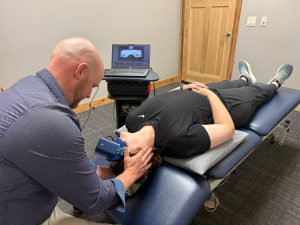
By Dr. Marissa Anderson, PT, DPT
Have you ever woken up with jaw pain, felt a pop when you yawned, or noticed your mouth just doesn’t open the way it used to? You might be experiencing temporomandibular joint dysfunction, often shortened to TMJD or simply TMJ.
While TMJ is sometimes brushed off as just a “clicky jaw,” it’s a complex issue that can significantly impact your quality of life. The good news? Physical therapy offers effective, non-invasive strategies to reduce pain, improve mobility, and prevent long-term dysfunction.
What Is TMJD?
The temporomandibular joints are small but mighty—located on each side of your face, right in front of your ears. They connect your lower jaw (mandible) to the temporal bones of your skull and allow you to perform everyday actions like talking, chewing, yawning, singing, and expressing emotion.
TMJD refers to any dysfunction, misalignment, or pain in these joints or the surrounding muscles and tissues. It’s estimated that over 10 million people in the U.S. experience TMJ-related symptoms at some point, and many don’t even realize that physical therapy can help.
Common Symptoms of TMJD
TMJD symptoms vary widely. Some people experience occasional discomfort, while others deal with chronic pain that affects their ability to eat, speak, or sleep. Here are some of the most common symptoms:
- Jaw pain or tenderness
- Clicking, popping, or grinding sounds when moving the jaw
- Difficulty opening or closing the mouth fully
- Headaches (especially around the temples)
- Earaches or a feeling of fullness in the ears
- Pain while chewing or talking
- Neck and shoulder tension or stiffness
- Facial pain or fatigue
What Causes TMJD?
There’s rarely one single cause of TMJD—most cases are multifactorial. Here are a few common contributors:
- Muscle overuse or strain: Teeth grinding (bruxism), jaw clenching, or excessive gum chewing can overload the jaw muscles.
- Poor posture: Forward head posture changes the alignment of your jaw and can lead to chronic tension.
- Injury or trauma: A blow to the face, whiplash, or even dental work can trigger or worsen TMJ dysfunction.
- Joint degeneration: Like other joints in your body, the TMJs can develop arthritis or wear-and-tear over time.
- Stress: High stress levels often lead to unconscious clenching or grinding, especially during sleep.
How PT Can Help Your Jaw Pain
As physical therapists, we are trained to assess and treat the entire musculoskeletal system—including the jaw. Our goal with TMJD is to:
- Reduce pain
- Restore normal joint motion
- Improve muscle balance and coordination
- Address contributing factors like posture and stress
Each TMJD case is unique, so treatment is always personalized. We take the time to evaluate not just your jaw, but also your neck, shoulders, posture, and movement patterns, since they all play a role in how your jaw functions.
TMJD Treatment Approaches in Physical Therapy
1. Manual Therapy
This includes hands-on techniques like joint mobilizations, soft tissue massage, and trigger point release.
2. Therapeutic Exercise
Customized exercises help retrain your jaw to move properly. You might be surprised to learn how much coordination your jaw muscles require—and how easily that coordination can be lost with pain or dysfunction.
3. Postural Correction
Posture plays a huge role in jaw health. Forward head posture (often caused by desk work or phone use) places abnormal stress on the jaw and neck. We’ll work on improving your alignment both during rest and daily activities.
4. Education and Habit Modification
We often help patients identify unconscious habits that can aggravate TMJ symptoms. These commonly include jaw clenching, nail biting, and excessive or forceful chewing.
5. Modalities and Pain Management
Adjunct modalities, such as dry needling, may be utilized as appropriate based on your presentation and response to treatment.
When Should You See a Physical Therapist for TMJD?
Early intervention is key—there’s no need to wait until symptoms become severe. Consider seeing a physical therapist if you notice:
- Jaw pain lasting more than a few days
- Frequent clicking or popping
- Difficulty opening your mouth wide
Chronic headaches or facial pain - Pain that worsens with chewing or speaking
A Whole-Body Approach to Jaw Pain
One of the biggest benefits of physical therapy is that we treat the whole person, not just the jaw. Since TMJD rarely exists in isolation, addressing related areas like the neck, shoulders, and posture often leads to faster and more lasting improvements.
We also coordinate care with dentists, orthodontists, and other specialists when needed—especially in cases involving bite misalignment, dental concerns, or more complex TMJ presentations.
Final Thoughts
TMJ pain can range from a minor nuisance to a major disruption in your daily life. The good news is, you don’t have to manage it alone. With proper evaluation and a targeted physical therapy plan, you can reduce pain, restore natural jaw function, and gain the tools to take control of your symptoms.
If your jaw feels off, don’t just chew through the pain—reach out to a physical therapist. Relief might be closer than you think.